
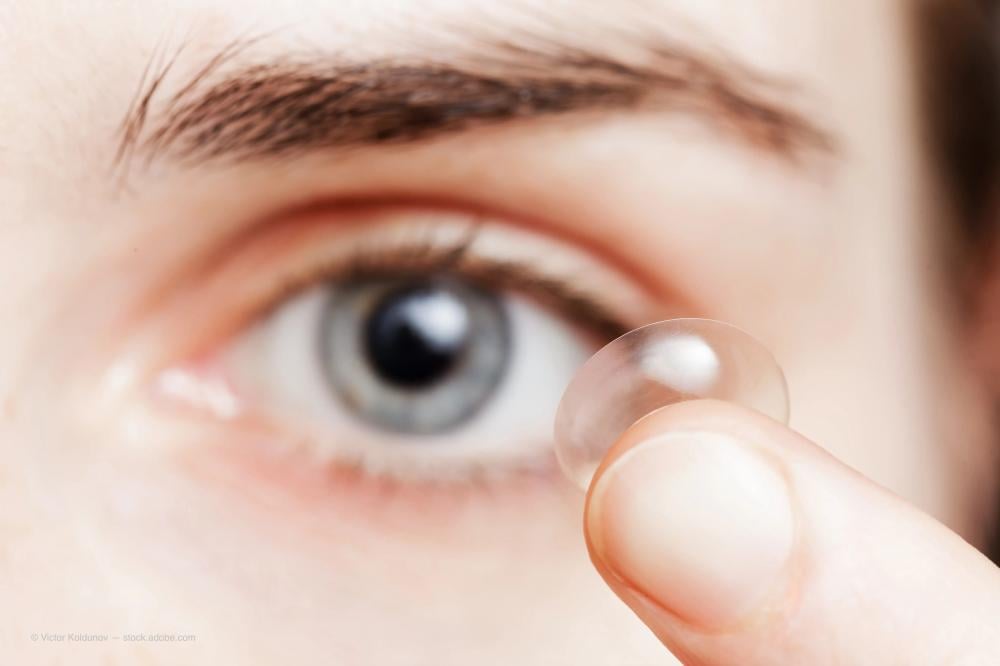

Although wearing contact lenses is generally safe, in rare cases, problems can arise from improper use. Therefore, it's essential to be aware of the following tips and guidelines when using contact lenses:
How to use contact lenses
1- The contact lens case should be changed
It is recommended to change your contact lens case regularly, as these cases are used to keep lenses clean and prevent contamination. It is essential to pay attention to the following points to avoid any health risks:
- Change your contact lens case at least once a month.
- Wash the lens case from the inside using a solution specifically for disinfecting lenses, and leave it to dry after each use of the lenses, then leave the case empty.
- Avoid using any other liquids to sterilize the case or to store the lenses other than the solution specifically designed for this purpose.
2- Check the contact lens solution
It is essential to regularly check the expiration date of contact lens cleaning solution, as this solution is crucial for disinfecting lenses before reuse. Expired solution should be discarded and replaced with fresh solution for the following reasons:
- The old solution loses its effectiveness in sterilizing contact lenses after its expiry date.
- Using expired solution may increase the risk of bacterial exposure and can cause eye infections or irritation.
Therefore, it is advisable to continue to renew the solution regularly to ensure the health and safety of contact lens use.
3- Avoid swimming while wearing contact lenses
Avoiding wearing contact lenses while swimming is essential for maintaining your eye health. A microscopic organism known as an amoeba exists in water and can become trapped in contact lenses, causing gradual, often unnoticed, damage to the eye. This rare condition requires complex treatment, potentially involving multiple medications or even corneal transplants.
Therefore, it is advisable to follow these guidelines:
- Avoid washing contact lenses with tap water.
- Avoid wearing contact lenses while using saunas or steam rooms, as steam and water can seep into the lenses and cause the same problems.
If you must wear contact lenses while swimming, put on swimming goggles for protection over them. After you finish swimming, remove the contact lenses immediately.
By following these tips, you can reduce your risk of developing illnesses and potential health problems associated with contact lenses and swimming.
4- The eyes should be given breaks from wearing contact lenses.
The ideal wearing time varies depending on the condition of the eyes. For example, if there is persistent dryness in the eyes, it is best not to wear the lenses for more than 3-4 consecutive hours a day, as the lenses may absorb moisture from the eyes.
In general, prolonged contact lens wear can increase the risk of corneal conditions such as corneal vascularization, due to the cornea's increased oxygen demand and subsequent oxygen deprivation throughout the day. This can lead to the appearance and growth of blood vessels in the eye, which, if left untreated, may increase the risk of blindness.
Contact lenses should be removed before going to sleep.
To maintain your eye health and the longevity of your contact lenses, here are comprehensive guidelines on how to care for your contact lenses:
How to care for contact lenses:
Providing proper care and maintenance for your contact lenses is essential for your eye health and the longevity of your lenses. Here's a comprehensive guide on how to care for your contact lenses:
Daily cleaning and disinfection:
1. Wash your hands thoroughly with soap and water before touching your lenses or eyes.
2. Remove one lens and clean it using the recommended lens solution. Place the lens in the palm of your hand, add a few drops of solution, and gently rub the lens with your index finger to remove dirt.
3. Rinse the lens thoroughly with the solution to ensure that all deposits are removed.
4. Change the solution in the lens case after each use.
Storage:
Always store your lenses in a clean lens case filled with fresh disinfecting solution. Never reuse old solution or add new solution to it, as this may reduce its disinfecting effectiveness.
- Replace the lens case every three months to avoid bacterial growth.
Lens type:
Daily disposable lenses differ from long-lasting lenses. Daily lenses need to be replaced after each use, while long-lasting lenses need to be cleaned regularly and replaced according to the recommended guidelines.
Lens solution:
Use only the contact lens solution recommended by your eye doctor. Not all solutions are suitable for all types of lenses, and using the wrong solution can damage your lenses or harm your eyes.
Regular eye exams:
- Schedule regular appointments with an eye specialist to ensure that the lenses are suitable for your eyes and to detect any eye-related health problems.
By following these guidelines, you can continue to use contact lenses safely and comfortably, and maintain your eye health in the long term.
What is the correct way to wear contact lenses?
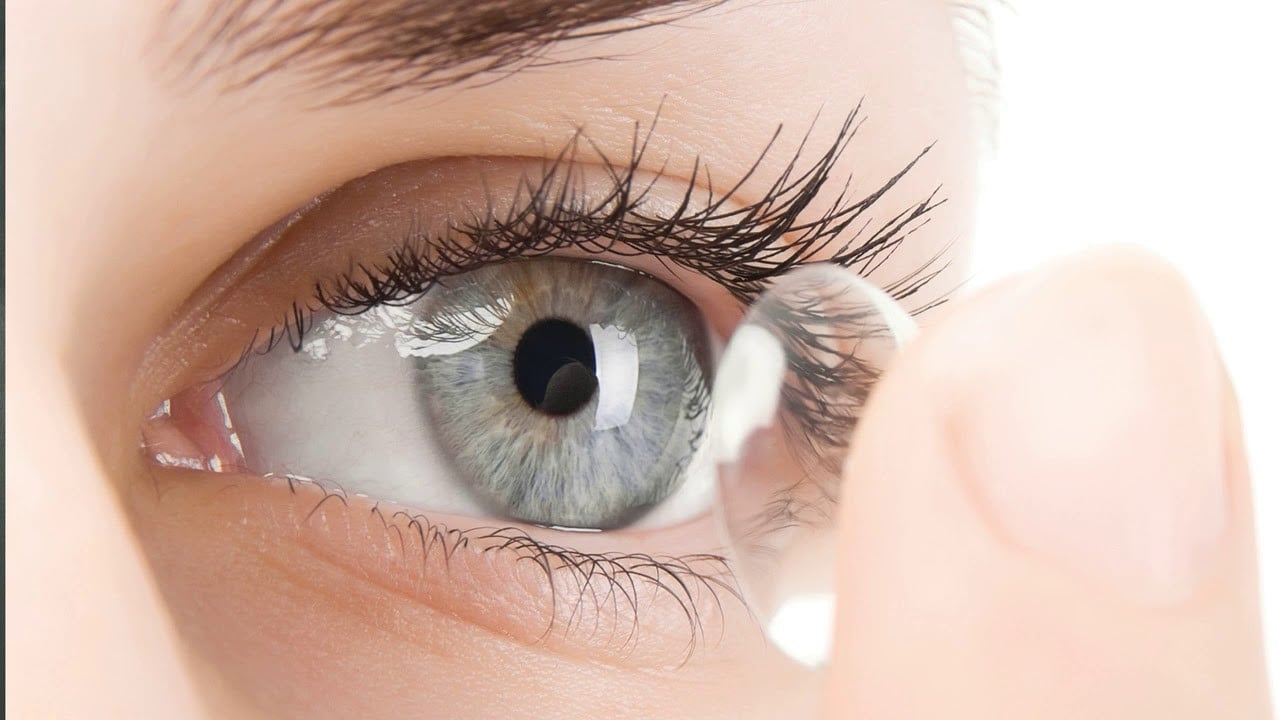
This is a step-by-step guide on how to wear contact lenses correctly:
1. Start by washing your hands thoroughly with soap and water, then dry them with a lint-free towel to prevent transferring germs to your lenses or eyes.
2. Using a clean index finger, gently pull one of the lenses out of its case.
3. Ensure the lens is not inverted by checking its shape. The lens should be naturally curved and not inverted.
4. Gently pull down your upper eyelid to stop the eyelash movement, then use the middle finger of the same hand to pull down your lower eyelid.
5. Look up and gently place the lens on the lower part of your eye.
6. Slowly release your eyelid and close your eye to allow the lens to settle into place.
7. Blink several times to center the lens and distribute it correctly on the eye.
By following these steps, you can ensure that your contact lenses are worn correctly and comfortably.
Frequently asked questions:
What happens if I don't change my contact lenses regularly?
Not replacing your contact lenses regularly poses a significant risk to your eye health. Over time, protein deposits, debris, and bacteria accumulate on contact lenses, causing discomfort, redness, and irritation. Using old contact lenses also increases the risk of eye infections and can damage the cornea. These issues can ultimately lead to a decline in your vision in the future.
What will happen when you wear old contact lenses?
Wearing old contact lenses can negatively affect your vision. Over time, debris, bacteria, and protein deposits accumulate on these lenses, causing discomfort and irritation and increasing the risk of eye infections.
In addition, the materials of old contact lenses may degrade, reducing their ability to provide clear vision and increasing the likelihood of vision problems.
How many hours can contact lenses be worn?
It is generally advised not to wear contact lenses for extended periods. Typically, it is recommended to wear them for up to 8 hours a day. Wearing time can be increased to 10-12 hours a day, but this should be done cautiously and with regular monitoring of eye health.
Is it permissible to wear contact lenses daily?
Daily disposable lenses are discarded at the end of each day, and reusing lens cleaning solution is not recommended. Some experts advise using daily disposable lenses daily, especially if wear is infrequent.
Check out the best eyeglasses deals from Optic:
20% discount on Lens Me Sugar Gray lenses
DESSI monthly contact lenses 1+1 free